Traveling to Japan during the colder months can be an unforgettable experience, with snowy landscapes, seasonal festivals, and relaxing hot springs creating a unique atmosphere. However, winter conditions vary across the country, making proper preparation essential for staying comfortable throughout your journey.
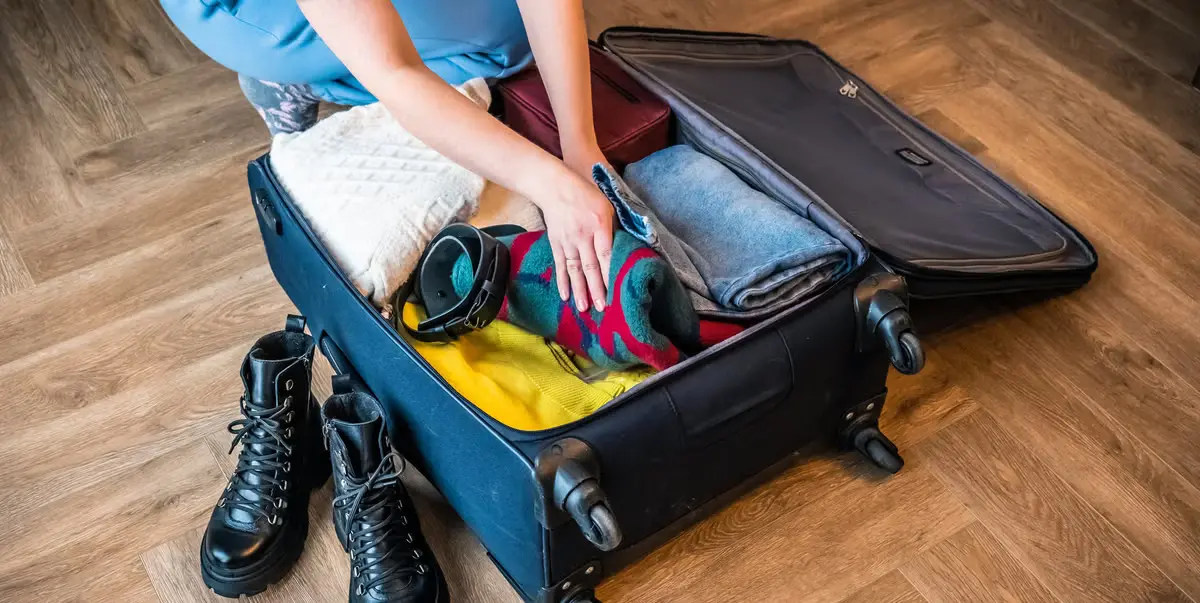
Packing the right clothing and travel essentials helps you adapt to changing temperatures while avoiding unnecessary luggage. Whether you’re exploring busy cities or visiting regions with heavy snowfall, having a well-planned packing list allows you to focus on enjoying your trip instead of worrying about the weather.
Why Preparing for Japan’s Winter Matters
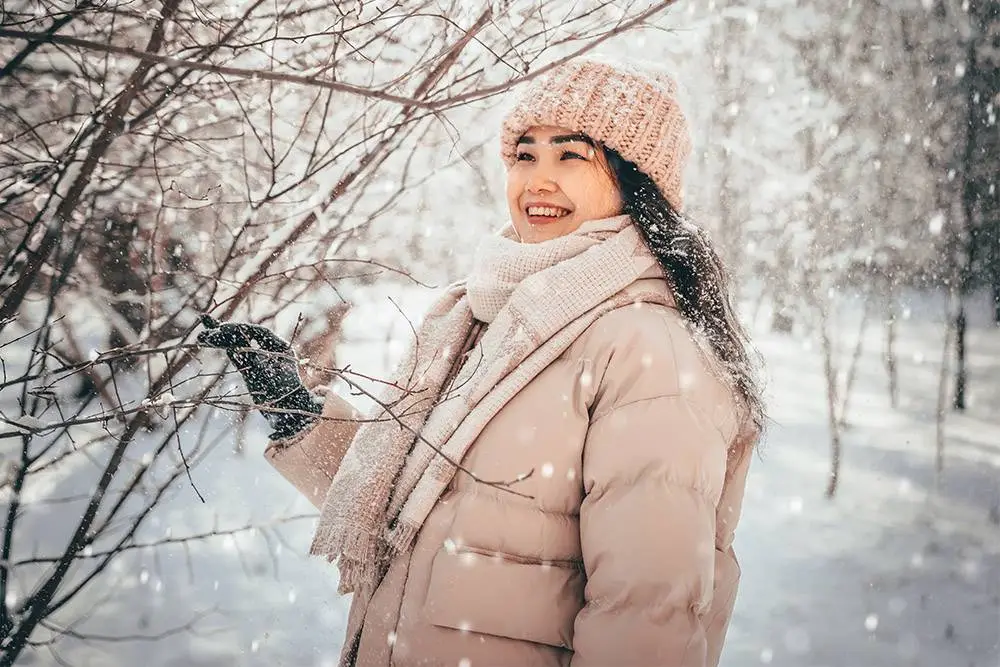
Winter in Japan is not the same everywhere. Southern regions often experience mild temperatures, while northern destinations can receive significant snowfall and much colder weather. Understanding these differences makes it easier to pack efficiently without bringing items you may never use.
Temperatures can change throughout the day
Morning and evening temperatures are usually much lower than during the afternoon, especially in mountainous areas. Wearing multiple lightweight layers allows you to adjust your clothing as conditions change without sacrificing comfort during sightseeing.
Different destinations require different gear
A city itinerary may only require warm everyday clothing, while destinations known for snow demand insulated outerwear and waterproof footwear. Reviewing your itinerary before packing helps ensure that every item serves a practical purpose.
Essential Clothing for Winter Travel
Choosing versatile clothing is one of the best ways to stay warm without overpacking. Instead of relying on bulky garments alone, layering provides better temperature control throughout your trip.
Thermal base layers
Thermal tops and leggings create an insulating layer that retains body heat while remaining lightweight. They are especially useful for long days outdoors and can easily be worn beneath casual clothing without adding bulk to your luggage.
Insulated jackets and outerwear
A quality insulated jacket offers warmth while protecting against cold winds. If your itinerary includes snowy destinations, choose a water-resistant or waterproof outer layer that performs well during snowfall or wet winter conditions.
Winter Accessories You Shouldn’t Forget
Small accessories can make a significant difference when spending long hours outdoors. They require little luggage space but provide extra warmth and comfort throughout your journey, particularly in destinations where temperatures regularly fall below freezing.
Gloves, beanies, and scarves
Protecting your hands, head, and neck helps retain body heat more effectively. Lightweight insulated gloves, a warm beanie, and a comfortable scarf are practical additions that make sightseeing, walking tours, and outdoor activities far more enjoyable.
Waterproof boots and warm socks
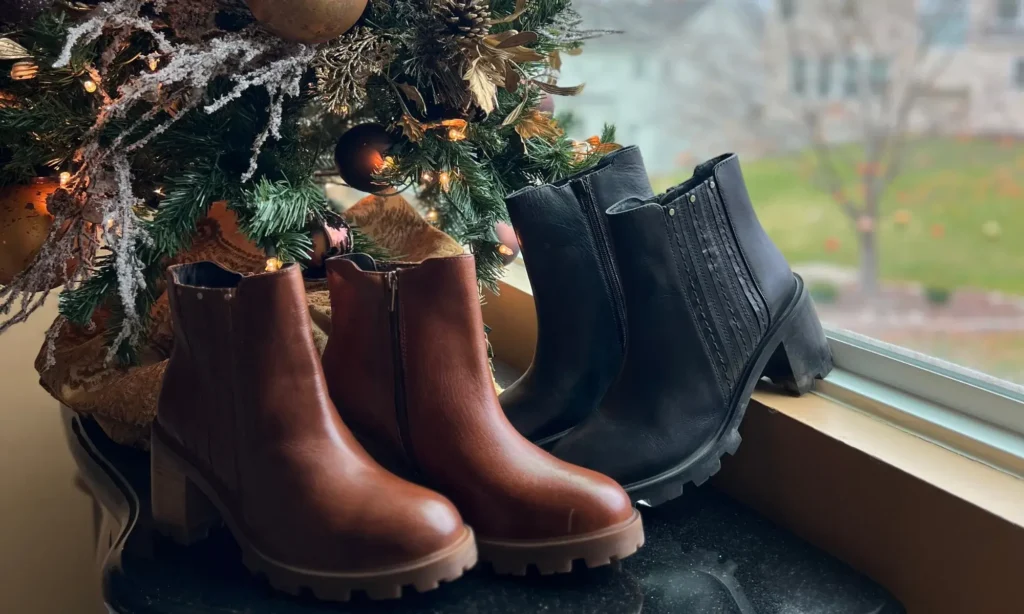
Dry feet are essential during winter travel. Waterproof boots with good traction help reduce the risk of slipping on icy or snowy surfaces, while moisture-wicking wool socks keep your feet warm during extended walks.
Travel Essentials Beyond Clothing

Preparing for winter involves more than choosing the right wardrobe. Bringing a few practical travel items can make your trip smoother and help you stay comfortable regardless of changing weather conditions.
portable heat packs and skincare products
Disposable heat packs are widely available in Japan and are excellent for keeping your hands or pockets warm while exploring outdoors. Cold winter air can also be quite dry, so carrying lip balm and moisturizer helps protect your skin throughout the trip.
prepare based on your destination
Your packing list should always reflect the places you plan to visit. Travelers heading to northern regions with frequent snowfall should pack more cold-weather gear than those staying in major cities farther south. Reading a detailed hokkaido winter travel guide before departure can help you better understand local weather conditions and pack only the items you’ll actually need.
packing tips for a stress-free winter vacation
Smart packing is not only about bringing warm clothing but also about making your luggage practical and easy to manage. A well-organized suitcase gives you more flexibility throughout your trip while leaving room for souvenirs and seasonal purchases.
pack versatile clothing
Choose clothing that can be layered and mixed easily instead of packing bulky outfits for every day. Neutral-colored sweaters, thermal layers, and lightweight insulated jackets work well together and reduce the amount of luggage you need to carry.
leave extra space in your luggage
Many visitors enjoy shopping during their trip, whether for local snacks, winter fashion, or unique souvenirs. Leaving some empty space in your suitcase helps avoid overweight baggage and gives you room to bring home memorable purchases.
conclusion
Preparing the right winter packing list can make your trip to Japan far more comfortable and enjoyable. From layering your clothing to choosing waterproof footwear and practical accessories, thoughtful preparation allows you to focus on exploring instead of dealing with the cold.
Every destination has different weather conditions, so tailoring your packing list to your itinerary is always the best approach. With the right essentials in your luggage, you’ll be ready to enjoy Japan’s beautiful winter scenery and seasonal experiences with confidence.
frequently asked questions
what should i pack for winter in japan?
Pack thermal base layers, an insulated jacket, waterproof boots, gloves, a beanie, warm socks, and skincare products such as lip balm and moisturizer to stay comfortable during cold weather.
are waterproof boots necessary in japan during winter?
They are highly recommended if you plan to visit snowy regions, as they help keep your feet warm and dry while providing better traction on icy or slippery surfaces.
how cold does japan get in winter?
Winter temperatures vary by region. Northern areas can experience well below-freezing temperatures with heavy snowfall, while many southern cities remain comparatively mild.
is layering better than wearing one heavy jacket?
Yes. Layering allows you to adjust your clothing throughout the day as temperatures change, making it a practical and comfortable approach for winter travel in Japan.


